AI in NZ Real Estate: Smarter Training Solutions
NZ real estate training, AI for real estate agents, real estate professional development
Smarter, Not Harder: Bringing AI into Continual Training for NZ Real Estate Professionals
AI is no longer a futuristic extra in New Zealand real estate – it is fast becoming part of everyday practice and, importantly, everyday learning. For agents, salespeople and managers, the opportunity now is to weave AI into ongoing NZ real estate training so you can work smarter, stay compliant and still deliver the human experience your clients expect.
Why AI Now Sits at the Heart of Real Estate Professional Development
Across the industry, AI tools are shifting from “nice-to-have” to essential. International surveys show more than 80% of agents now use AI for listing descriptions and marketing content, with daily use climbing every year. That pattern is mirrored here in Aotearoa, where real estate professional development increasingly includes digital capability and AI literacy as core skills, not optional extras.
The Real Estate Authority’s 20-hour annual CPD requirement already includes mandatory training on the use of digital technology in transactions, including data privacy and record-keeping. AI naturally fits within this focus: agents who understand how to use it safely gain a genuine edge in productivity, accuracy and client service – while those who ignore it risk falling behind both competitors and consumer expectations.
Practical Ways to Use AI – While Keeping the Human Touch
1. Listing copy that reflects your voice and your market
Tools like ChatGPT, Claude and specialist platforms such as ListingCopy.ai can draft listing descriptions in seconds. As part of structured NZ real estate training, you can learn how to:
Feed in accurate property details, recent sales and buyer profiles to generate tailored copy.
Check for compliance with NZ advertising standards and REA guidance before anything goes live.
Edit AI drafts so they still sound like you – warm, local and authentic.
Takeaway: Let AI do the first draft, but keep final wording – and responsibility – firmly human.
2. Smarter follow-up and client care
AI-enhanced CRMs like Follow Up Boss, Lofty or RealOffice360 can remind you who to call, suggest follow-up emails and even draft responses. Used well, they help you stay top-of-mind without sounding robotic. Training sessions can show you how to:
Segment your database so AI sends different messages to investors, first-home buyers or downsizers.
Set boundaries so high-stakes conversations – pricing, offers, complex conditions – always happen person-to-person.
📌 Takeaway: Use AI to remember and organise; use your judgement to advise and negotiate.
3. Market research that goes beyond “gut feel”
Research tools such as Perplexity Pro, HouseCanary or Sara AI can quickly surface comparable sales, rental yields and broader economic commentary. In workshops focused on AI for real estate agents, you can practise how to:
Cross-check AI-generated insights against local data, REINZ statistics and your own experience.
Turn dense information into clear, client-friendly reports and presentations.
4. Everyday admin that quietly disappears
From transcribing meeting notes to drafting standard emails, AI assistants such as HouseWhisper or NotebookLM can remove hours of low-value work. That frees you to spend more time in living rooms, not inboxes. The key is learning, through structured real estate professional development, which tasks are safe to automate – and which always need your eyes on them.
Keeping Compliance, Privacy and Ethics Front and Centre
With any new technology, the REA’s expectations do not change: you are responsible for what goes out under your name. That means understanding where AI tools store data, how they use client information and what you are allowed to automate. Training programmes can cover:
Avoiding input of identifiable client information into public AI tools without consent.
Keeping accurate records of AI-assisted communications for audit and dispute purposes.
Recognising and correcting bias or inaccuracies in AI-generated content.
📌 Takeaway: “The AI did it” is never a defence. Your licence, your standards, your call.
Ongoing Learning: The Habit That Keeps You at Your Best
AI tools evolve quickly. So do client expectations, legislation and market conditions. That is why continual learning is not just about meeting CPD hours – it is about staying confident, relevant and resilient throughout your career. Agents who build regular learning into their week tend to:
Spot opportunities earlier, from new marketing channels to emerging buyer segments.
Adapt faster when regulations or technology change.
Build a reputation as trusted advisers, not just order-takers.
The most successful professionals are not the ones who know everything about AI; they are the ones who stay curious, keep experimenting and regularly refresh their skills through structured NZ real estate training.
Bringing It All Together at the New Zealand Real Estate Conference
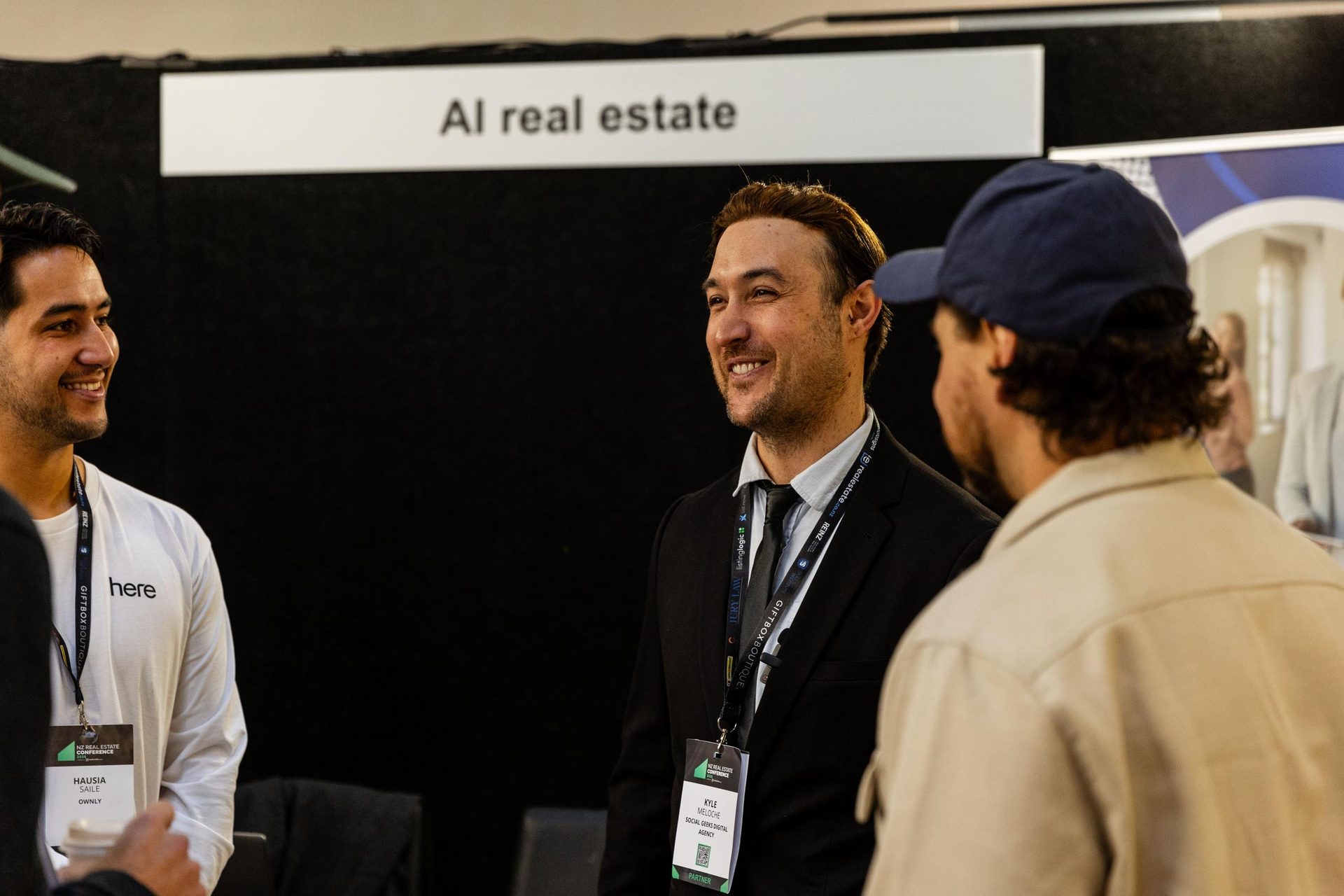
The annual New Zealand Real Estate Conference, promoted by NZREC, is where many in the industry now connect the dots: AI, technology, compliance and client care all in one place. With over 1,000 professionals attending, you can see live demonstrations of the latest tools, hear from leading practitioners already using AI in their businesses, and translate global proptech trends into practical steps for your patch of New Zealand.
If you are serious about weaving AI for real estate agents into your own real estate professional development, this is an ideal forum to start – or to take your next leap forward. You will leave with fresh ideas, real-world examples and a clearer plan for how technology can support, not replace, the trusted human relationships at the heart of our profession.
Call to action: Explore the programme, lock in your place and join your peers at the next New Zealand Real Estate Conference to future‑proof your skills and your business.